Introduction: the invisible half of diagnosis for blood cancer testing
When a patient undergoes blood cancer testing such as Leukaemia, Lymphoma, or Multiple myeloma, the focus naturally falls on genetics, imaging, and specialist interpretation.
But long before any of that, there is a less visible stage that determines whether the downstream analysis is even meaningful: how the sample is physically prepared.
This stage rarely gets attention. It should.
Because in diagnostic haematology, clarity is manufactured before it is analysed.
Step one is not analysis for blood cancer testing—it’s separation
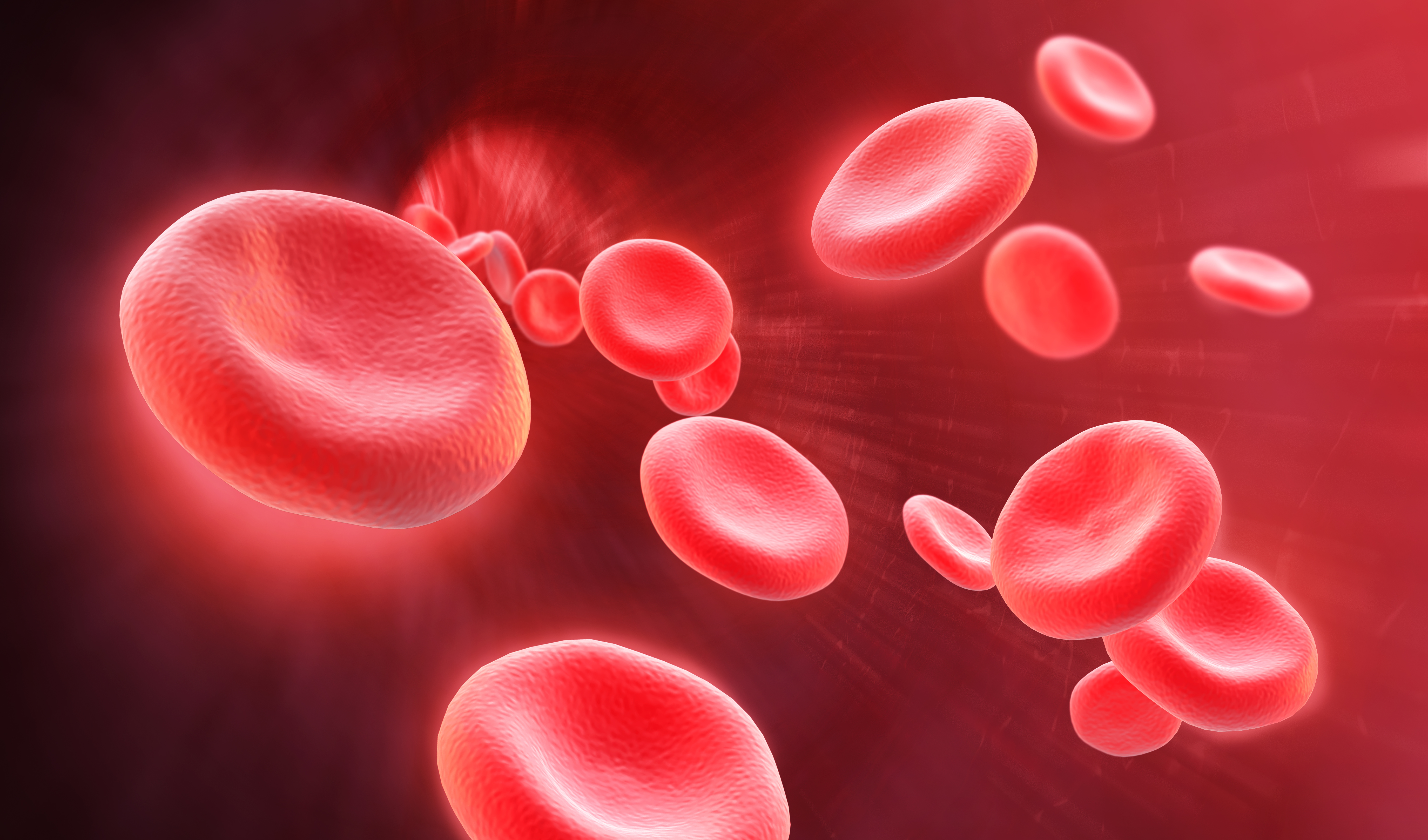
A blood sample in its raw state is messy from an analytical perspective. Cells, plasma proteins, platelets, and debris all compete for attention.
To make sense of it, laboratories first divide it into structured fractions:
- Plasma (biochemical and immunological signals)
- Cellular layers rich in white cells
- Red blood cell mass
This is not just organisation. It is signal extraction.
Without it, abnormal cell populations linked to blood cancers can be masked by normal physiological noise.
Where diagnostic signals are actually found
In many suspected blood cancers, the earliest detectable signs are subtle:
- Slight increases in immature white cells
- Abnormal lymphocyte morphology
- Low platelet counts masked by variability
- Plasma protein changes linked to malignancy
These signals are often concentrated in very specific fractions of blood, not the whole sample.
If the sample is poorly prepared, those signals become diluted. And dilution in diagnostics is not a technical inconvenience—it is a clinical risk.
Why sample quality determines diagnostic confidence
Modern haematology relies on multiple downstream techniques:
- Automated full blood counts
- Microscopy
- Flow cytometry immunophenotyping
- Molecular and genetic profiling
Each of these assumes one thing: that the sample fed into the system is consistent.
If pre-analytical handling introduces variation, the entire diagnostic chain inherits that uncertainty.
This is why laboratories treat sample preparation as part of the diagnostic process—not just preparation work.
Engineering consistency into the first critical step
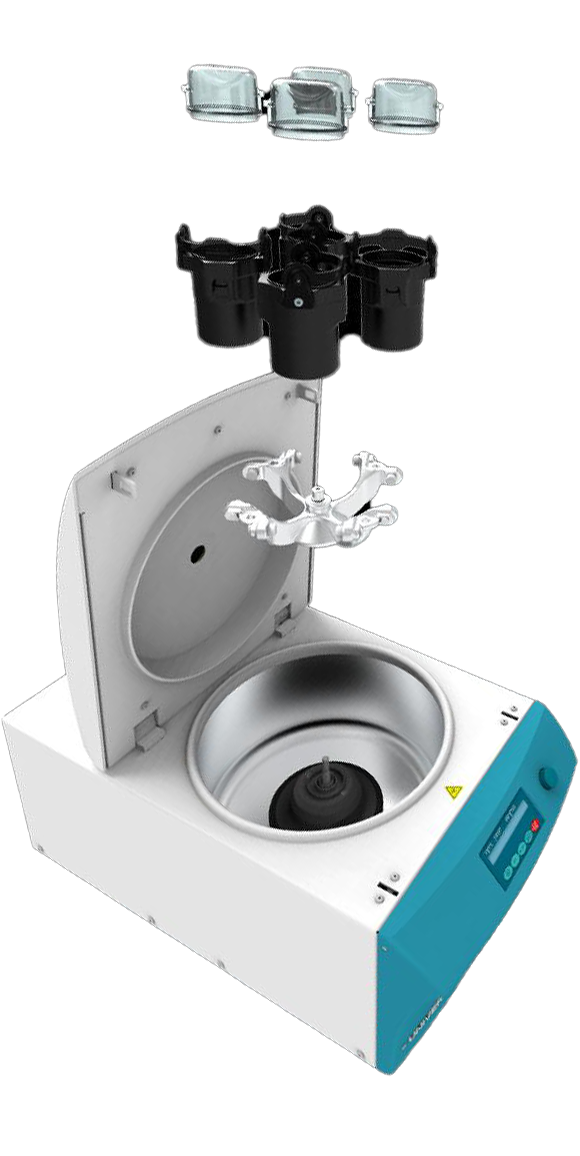
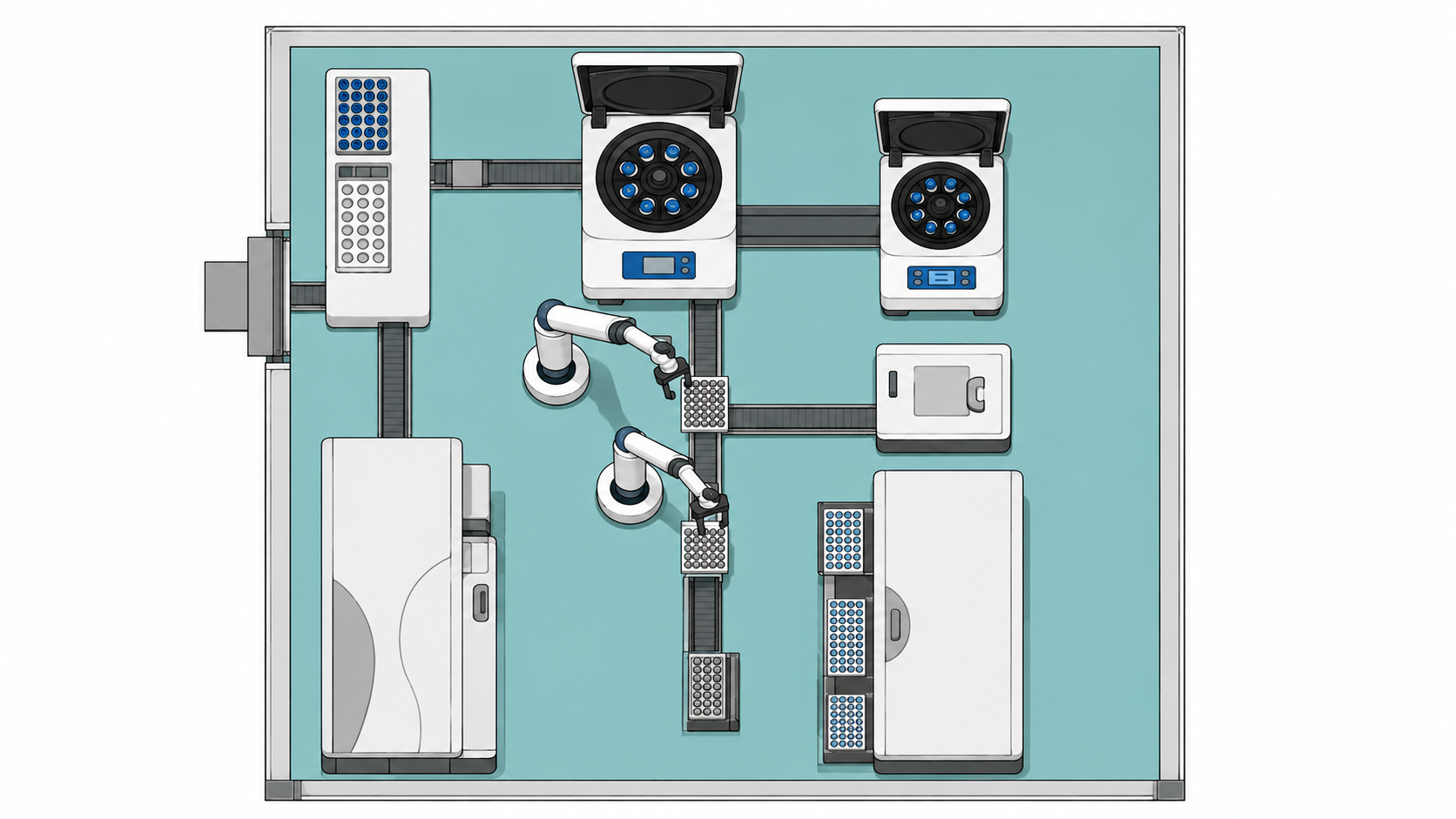
At the centre of this pre-analytical stage are laboratory separation systems designed to produce repeatable, controlled fractionation of blood samples.
Centrifuge manufacturers such as Hettich have become embedded in clinical workflows precisely because consistency matters more than speed.
Key requirements in this stage are not dramatic:
- Repeatable separation forces
- Controlled acceleration and deceleration profiles
- Rotor flexibility for different tube formats
- Reproducibility across hundreds of daily runs
In practice, this consistency ensures that when two different patients are tested in two different hours of the same day, their samples behave the same way in the lab.
That uniformity is what makes downstream automation and interpretation reliable.
The quiet shift in modern diagnostics
The direction of travel in haematology is clear: more automation, more integration, and more reliance on pre-analytical standardisation.
Sample preparation is increasingly:
- Integrated into closed systems
- Linked directly to analysers and flow cytometry platforms
- Standardised across laboratory networks
This reduces human variability at the exact point where it matters most.
Because modern diagnostics is no longer just about detecting disease—it is about ensuring the data feeding that detection is stable enough to trust.
Conclusion: diagnosis of blood cancer testing begins earlier than most people think
Blood cancer diagnosis is often described as a high-tech process driven by genetics and advanced instrumentation. But before any of that can happen, the sample must be transformed from a biological mixture into an analysable system. That transformation stage quietly determines how much confidence clinicians can place in every result that follows. And in that sense, the accuracy of diagnosis is shaped long before the diagnosis itself begins.