Laboratory automation is transforming how research laboratories operate, helping organisations improve efficiency, manage increasing workloads and develop more consistent workflows. But behind every successful automated laboratory system is something that can be just as important as the technology itself: laboratory automation collaboration.
From automation integrators and equipment manufacturers to specialist suppliers and service providers, each plays a different role in bringing an automated system to life. When these different areas of expertise come together early and effectively, projects have a stronger foundation for success.
For the laboratory automation industry, collaboration isn’t simply beneficial. It’s an important part of building systems that meet the needs of modern laboratories.
Why collaboration matters in laboratory automation
Automated laboratory systems rarely rely on a single piece of equipment. They often bring together robotics, liquid handling, sample management, analytical instruments and specialist equipment, all of which must work together as part of a wider workflow.
For system integrators, this creates a range of considerations. Equipment must meet the requirements of the application, fit within the overall system design and operate in coordination with other components.
This is where collaboration becomes particularly valuable.
By engaging with equipment manufacturers and specialist suppliers early in a project, integrators can discuss technical requirements, explore suitable solutions and identify potential integration considerations before designs are finalised.
Rather than treating each component as an isolated purchase, a collaborative approach considers how every element contributes to the wider system.
Bringing the right expertise together
One of the strengths of the laboratory automation industry is the variety of expertise it brings together.
Automation integrators understand system design, robotics and the challenges of connecting different technologies. Equipment manufacturers bring detailed knowledge of their instruments, specifications and operating requirements. Specialist suppliers contribute product expertise, application knowledge and, where relevant, ongoing technical support.
Each perspective adds value.
For example, integrating a centrifuge into an automated workflow involves more than selecting a suitable instrument. Considerations may include sample formats, throughput requirements, physical dimensions, robotic access, communication interfaces and safety requirements.
Discussing these factors with the relevant equipment specialists can help integrators assess suitability and plan the integration more effectively.
The earlier these conversations take place, the more opportunity there is to address requirements before they become challenges later in the project.
The importance of choosing the right equipment partners
As laboratory automation systems become increasingly sophisticated, the relationships between integrators and equipment suppliers become even more important.
Integrators need access to equipment that meets their project’s requirements, but they also benefit from working with partners who understand the practicalities of integrating specialist instruments into a wider system.
This means looking beyond the initial equipment specification.
Useful questions to consider include:
- Can the equipment meet the application’s technical and operational requirements?
- What integration information and documentation are available?
- What needs to be considered regarding interfaces, positioning and robotic handling?
- What technical support is available during installation and commissioning?
- How will servicing and maintenance be managed once the system is operational?
Addressing these questions early can support better-informed equipment decisions and help establish clear expectations between everyone involved.
Ultimately, the goal is to create a working relationship in which technical questions can be discussed openly and the right expertise is available when it is needed.
Collaboration doesn’t end at installation
A successful automation project involves more than designing and installing a system. Equipment must continue to operate reliably as part of the laboratory’s day-to-day activities.
Over time, laboratories may need servicing, maintenance, technical advice or assistance with equipment-related issues. When specialist instruments form part of a larger automated workflow, understanding the equipment and its role within that system becomes particularly important.
This is why ongoing relationships between integrators, manufacturers and specialist service providers matter.
Clear communication can help ensure that equipment-related requirements are understood, the appropriate technical expertise can be accessed, and servicing needs are considered as part of the wider system lifecycle.
For integrators, knowing who to contact for specialist equipment support can be a valuable part of planning a project and supporting customers beyond commissioning.
A practical example: robotic centrifuges in automated laboratories
Robotic centrifuges illustrate why collaboration between equipment specialists and automation integrators is important.
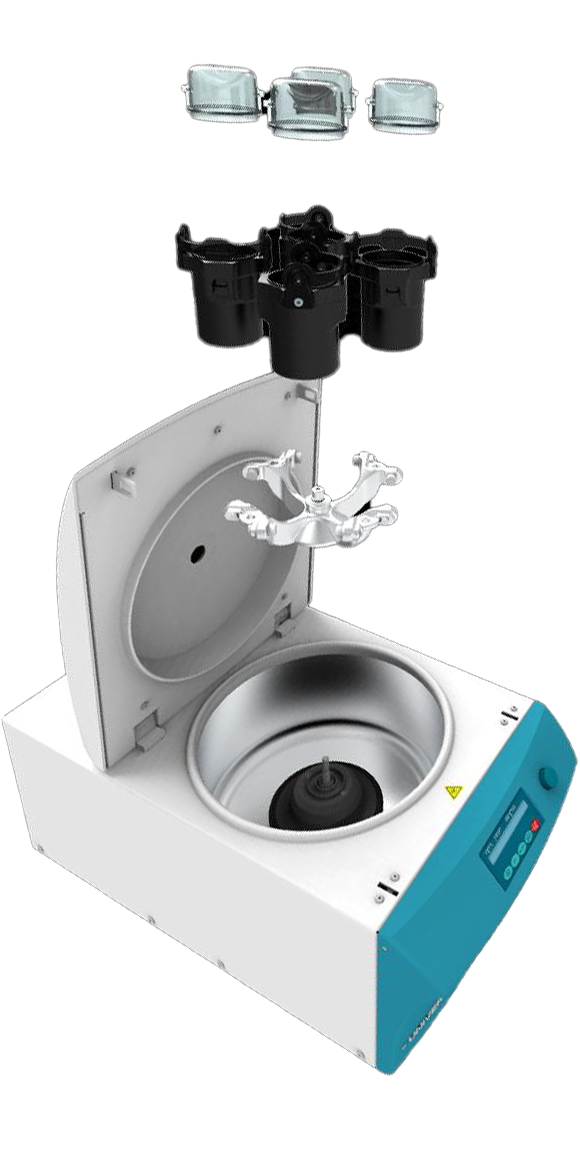
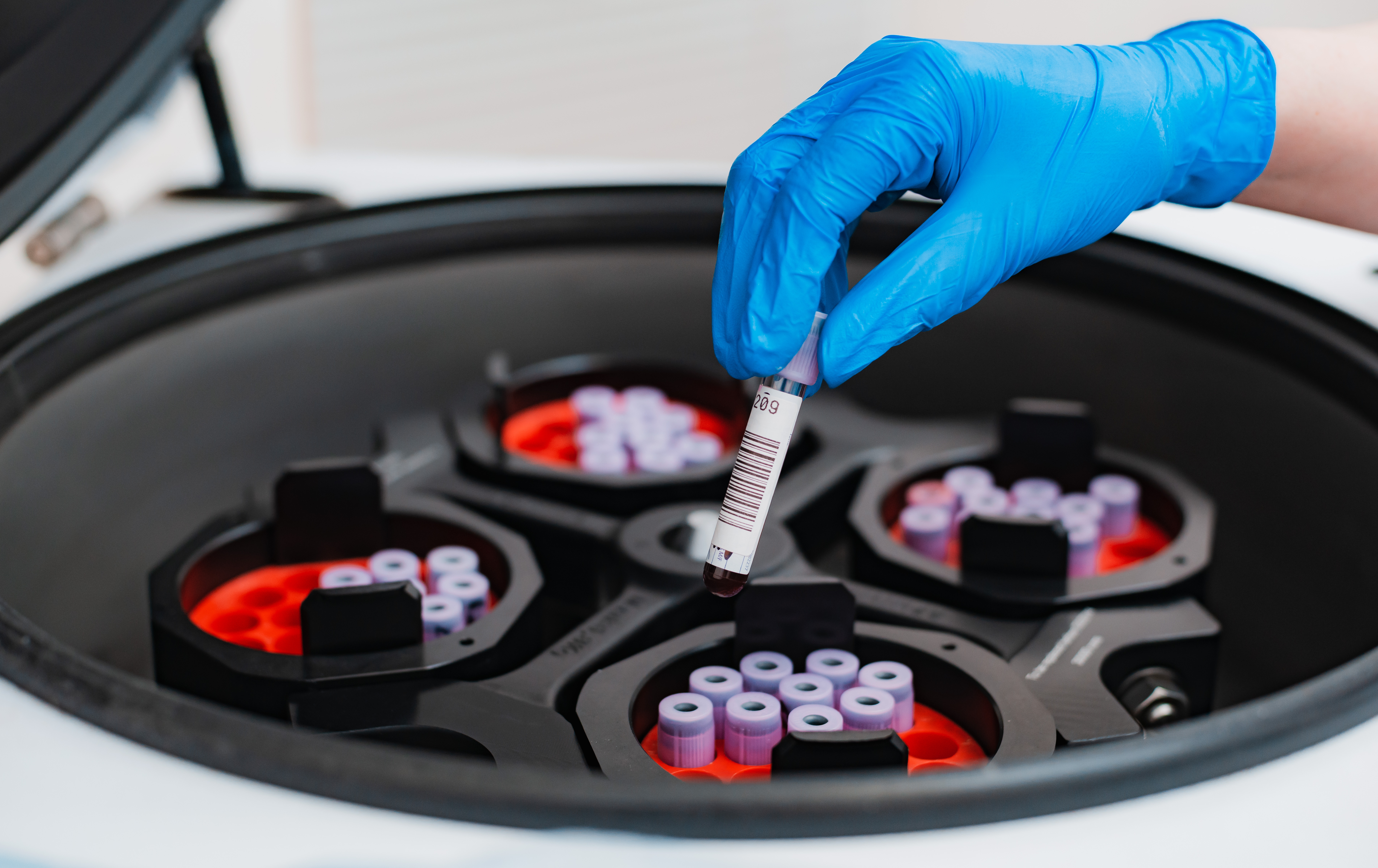
Centrifugation can be a key step in laboratory workflows, including sample preparation and drug discovery applications. When centrifuges are incorporated into automated systems, their requirements must be considered alongside the robotics, sample handling processes and other equipment involved.
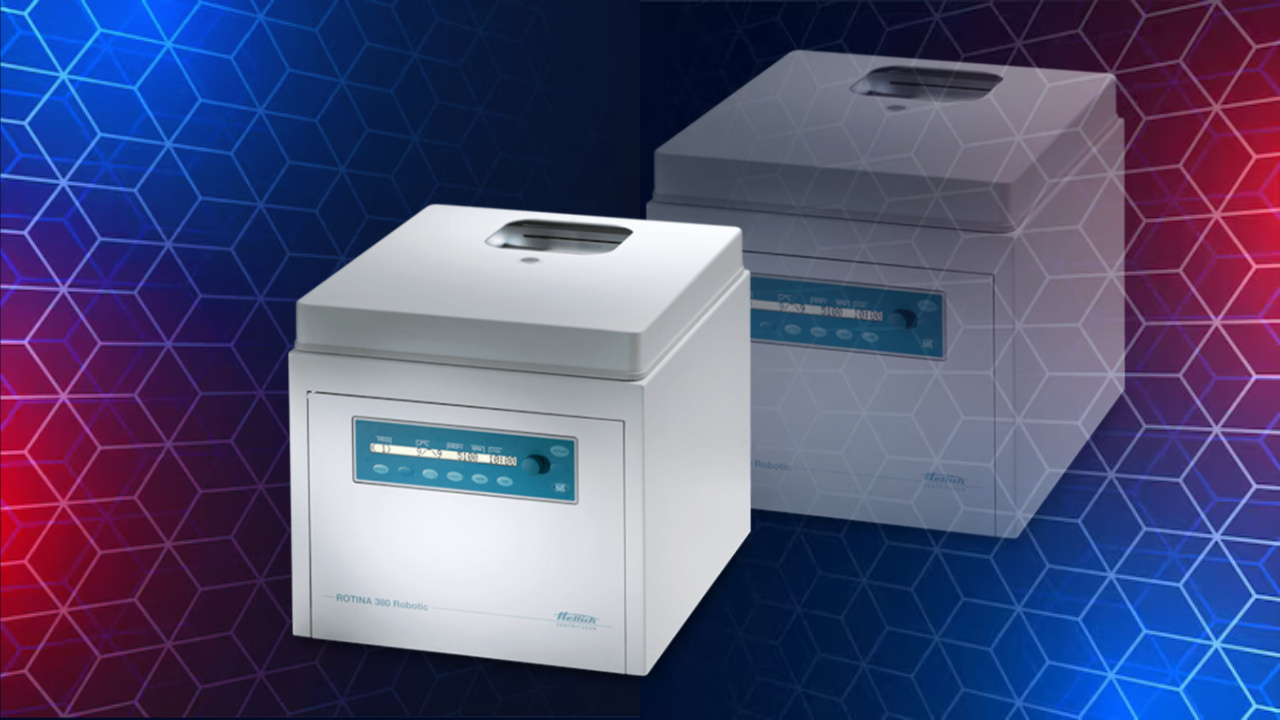
Hettich’s robotic centrifuges provide an example of specialist instruments designed for integration into automated laboratory environments.
As the exclusive UK distributor and service provider for Hettich robotic centrifuges, Henderson Biomedical understands the importance of specialist product knowledge and technical support in this area.
Working with an equipment specialist can give integrators a point of contact for discussing model suitability, equipment requirements and available support. These conversations can help establish whether a particular centrifuge is appropriate for a proposed application and what needs to be considered during the integration process.
Every project has its own requirements, which is why early communication between the integrator and equipment specialist is valuable.
Building stronger partnerships across laboratory automation
Laboratory automation brings together different technologies, disciplines and areas of expertise. No single organisation needs to provide every part of the solution, but the relationships between those involved can make a meaningful difference to how effectively a project progresses.
For integrators, building relationships with specialist equipment suppliers can provide access to product knowledge, technical discussions and ongoing support. For suppliers, understanding the integrator’s requirements helps ensure that equipment discussions remain focused on the needs of the application.
A collaborative approach encourages early communication, clearer expectations and a better understanding of how individual components contribute to the overall system.
As laboratory automation continues to evolve, these partnerships will remain an important part of connecting specialist equipment with the wider needs of modern laboratories.
At Henderson Biomedical, we welcome conversations with laboratory automation integrators looking to incorporate Hettich robotic centrifuges into their systems. By working together and sharing expertise, we can help explore the equipment options and support requirements relevant to each project.
Planning a laboratory automation project involving centrifugation? Contact Henderson Biomedical to discuss your requirements and explore our Hettich robotic centrifuge solutions.