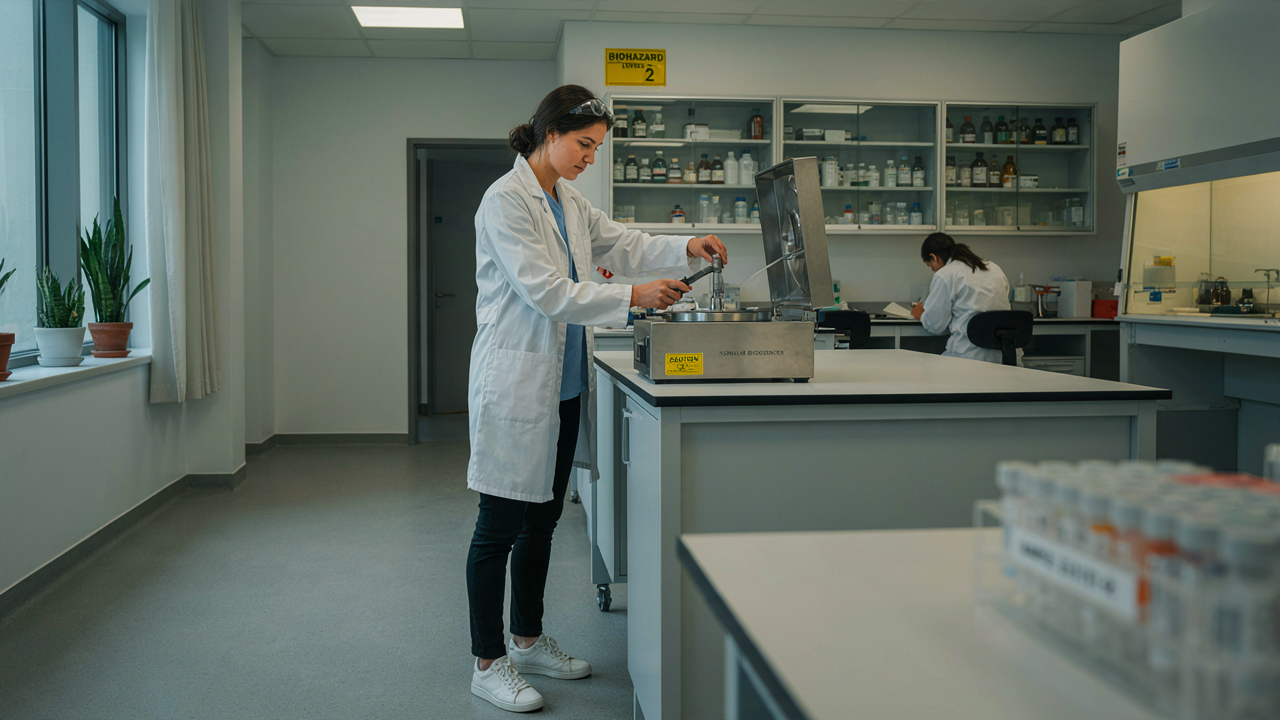
When labs think about cutting carbon, the conversation usually turns to buying newer, more efficient equipment. But the most sustainable instrument is often the one already on your bench. Every new instrument carries emissions from manufacturing, packaging and transport before it has run a single sample, and labs are energy-hungry places to begin with as research laboratories use about three times the energy of similarly sized offices.
At Henderson Biomedical, we help laboratories get the most from the equipment you already own. We service, calibrate and repair instruments to keep them performing at their best, support responsible decommissioning when equipment reaches the end of its life and, with our partners, give pre-owned instruments a second life. Here is how each of these steps can help you reduce your lab’s carbon footprint by extending the life of your existing equipment and making more sustainable choices.
Where a lab’s energy goes
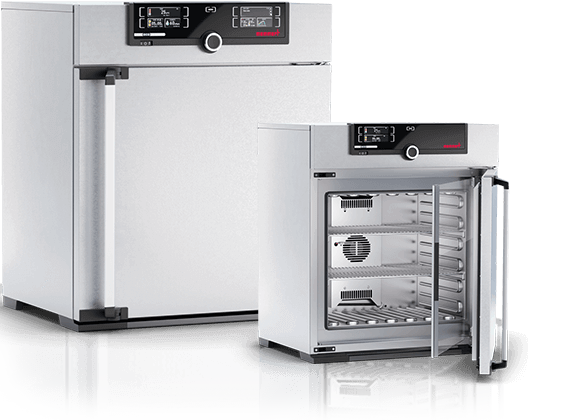
Much of a lab’s energy use comes from equipment that runs around the clock. A freezer held at -80°C typically uses at least 20 kWh a day, and Times Higher Education reports that an ultra-low temperature freezer can use as much energy as two UK households a year. University of Exeter guidance puts fume hoods at the equivalent of 2 to 5 households and drying cabinets at 0.5 to 3. With numbers like these, small efficiency gains on individual instruments add up quickly across a whole lab.
1. Keep it running efficiently: servicing and calibration
Equipment rarely fails overnight. It declines gradually, and energy use rises as it does. A study of ultra-low freezers, cited in recent UCSF research, found that energy use increases by around 3% for every year of use as compressors work harder to hold temperature. Research on university chemistry labs suggests that regular cleaning, defrosting and maintenance, along with sensible placement, can reduce a freezer’s energy use by up to 25% while extending its working life.
The same principle applies across the lab. Equipment that is regularly serviced and properly calibrated performs as it should, which means fewer wasted runs, fewer repeated tests and less energy spent compensating for a machine that is drifting out of specification.
Our factory-trained engineers carry out planned servicing and support calibration, including UKAS calibration, so your equipment stays accurate, compliant and efficient for as long as possible. Preventive care also protects what matters most: in one large freezer replacement programme, 35% of the older units removed were already showing symptoms of operational failure, putting samples at risk.
2. Repair rather than replace
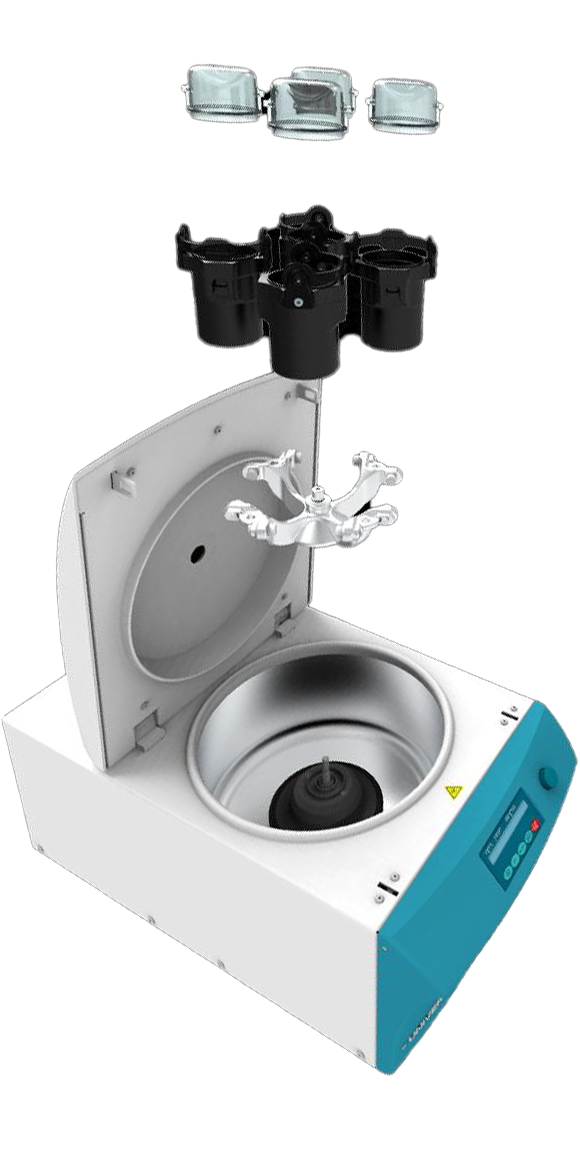
When something goes wrong, replacing the whole unit is not always the only option. A repair keeps the carbon already invested in manufacturing that instrument in productive use, and avoids the emissions of making and shipping a new one. Researchers modelling the carbon footprint of chemistry laboratories have included extending equipment lifetime as one of their key mitigation strategies for exactly this reason. Our engineers repair a wide range of lab equipment, so a fault does not have to mean a write-off.
3. Knowing when it is time to let go
Honest advice matters here. Sometimes replacement is the right call. A US university pilot replaced 43 very old, inefficient ultra-low freezers (average age 17.5 years) with ENERGY STAR models and cut their energy use by 70%, saving an estimated 134 metric tons of CO2 a year.
The lesson is not that newer is always better. It is that every instrument should be judged on its condition, its age and its energy use. We can help you assess whether servicing or repair still makes sense, and when it does not, we can help you retire equipment responsibly through safe, well-documented decommissioning rather than leaving it to become waste.
4. Give it a second life
Equipment that is no longer right for one lab can still be valuable to another. Through our partners, we sell second-hand lab equipment, giving instruments a second working life. For buyers, that can mean a more affordable route to the kit they need. For the planet, it means demand is met without manufacturing a brand new unit.
Quick wins to reduce your lab’s carbon footprint
You can start reducing your lab’s carbon footprint today, even before any equipment decisions are made:
- Put equipment on a planned maintenance and calibration schedule rather than waiting for faults.
- Review ultra-low freezer set points. Moving from -80°C to -70°C has been associated with a 30 to 40% reduction in energy use, where your samples allow it.
- Consolidate and defrost. Combining under-filled freezers and keeping them clean and well-sealed cuts energy waste. A Sheffield University biosciences project expects at least a 50% reduction in freezer energy use from managing its freezers more effectively.
- Switch off or reduce standby use for equipment that does not need to run continuously.
- Keep an asset register with the age and condition of each instrument. It shows you what to service, what to repair and what to retire.
Our own commitment
We believe in practicing what we advise. Henderson Biomedical has earned three Climate Essentials badges: Carbon Measured, Net Zero Community and Footprint Verified 2025. We have also completed the NHS Evergreen Sustainable Supplier Assessment and achieved Level 2: Comprehensive net zero targets and reporting for carbon emissions.
Start your carbon reduction journey with us
Reducing a lab’s carbon footprint does not have to begin with a big capital project. It can begin with looking after what you already own. Whether you need servicing, calibration, a repair, help retiring an old instrument or a good second-hand replacement, we can help you make choices that are better for your lab, your budget and the planet. Let us help you reduce your lab’s carbon footprint, whether that means extending the lifespan of your existing equipment through servicing, calibration and repair, or replacing it responsibly when the time is right.
We are all about getting the most out of lab equipment at Henderson Biomedical. Get in touch at info@henderson.biomedical.co.uk or call 0208 663 4610.